
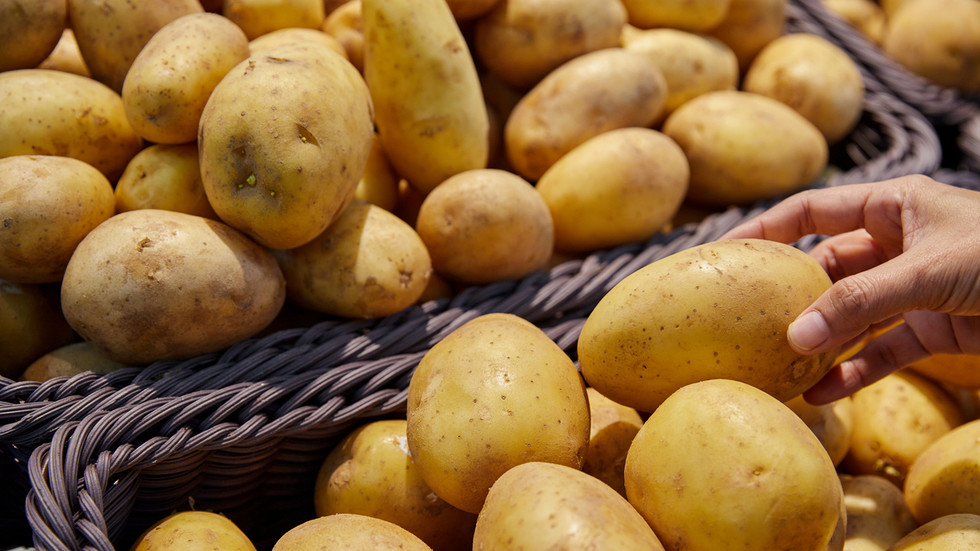
Hormuz disruption: FAO warns fertilizer shortages threaten harvests, potato futures soar amid food inflation.
Globalsecurity.org
•
Friday, March 27, 2026
•
Omman, Hamadan Province, Iran
Disruptions to shipping through the Strait of Hormuz are triggering severe shocks to global commodity flows, particularly impacting fertilizer availability and driving up food prices. The FAO warns that these fertilizer shortages will likely reduce harvests and worsen food supply conditions over the next two years, destabilizing food prices and supply chains globally. Nations heavily dependent on food imports face particularly acute risks. The situation is exacerbating existing supply chain vulnerabilities. ## Latest Update Potato futures have surged more than 700% as disruptions to energy and fertilizer trade through the Hormuz Strait fuel food inflation worldwide. The Middle East conflict is compounding the issue, raising concerns about global food security. ## Timeline * 2026-03-27: FAO warns that the Strait of Hormuz disruption is triggering a severe shock to global commodity flows, threatening food prices and supply chains. * 2026-05-09: FAO warns that fertilizer shortages tied to the Strait of Hormuz disruption will likely reduce harvests and worsen food supply conditions. * 2026-05-12: FAO warns that disruptions to shipping through the Strait of Hormuz are causing fertilizer shortages, leading to lower harvests and reduced food supply. * 2026-05-15: FAO warns that disruption in the Strait of Hormuz could cause fertilizer shortages, with downstream effects for farm output and food availability. * 2026-05-15: Potato futures surge over 700% due to Hormuz Strait disruptions impacting energy and fertilizer trade, fueling food inflation. ## What to Watch * Further escalation in the Middle East could worsen supply chain disruptions and food inflation. * Monitor fertilizer prices and availability, as shortages could significantly impact crop yields. * Track food prices and potential for social unrest in import-dependent nations.