
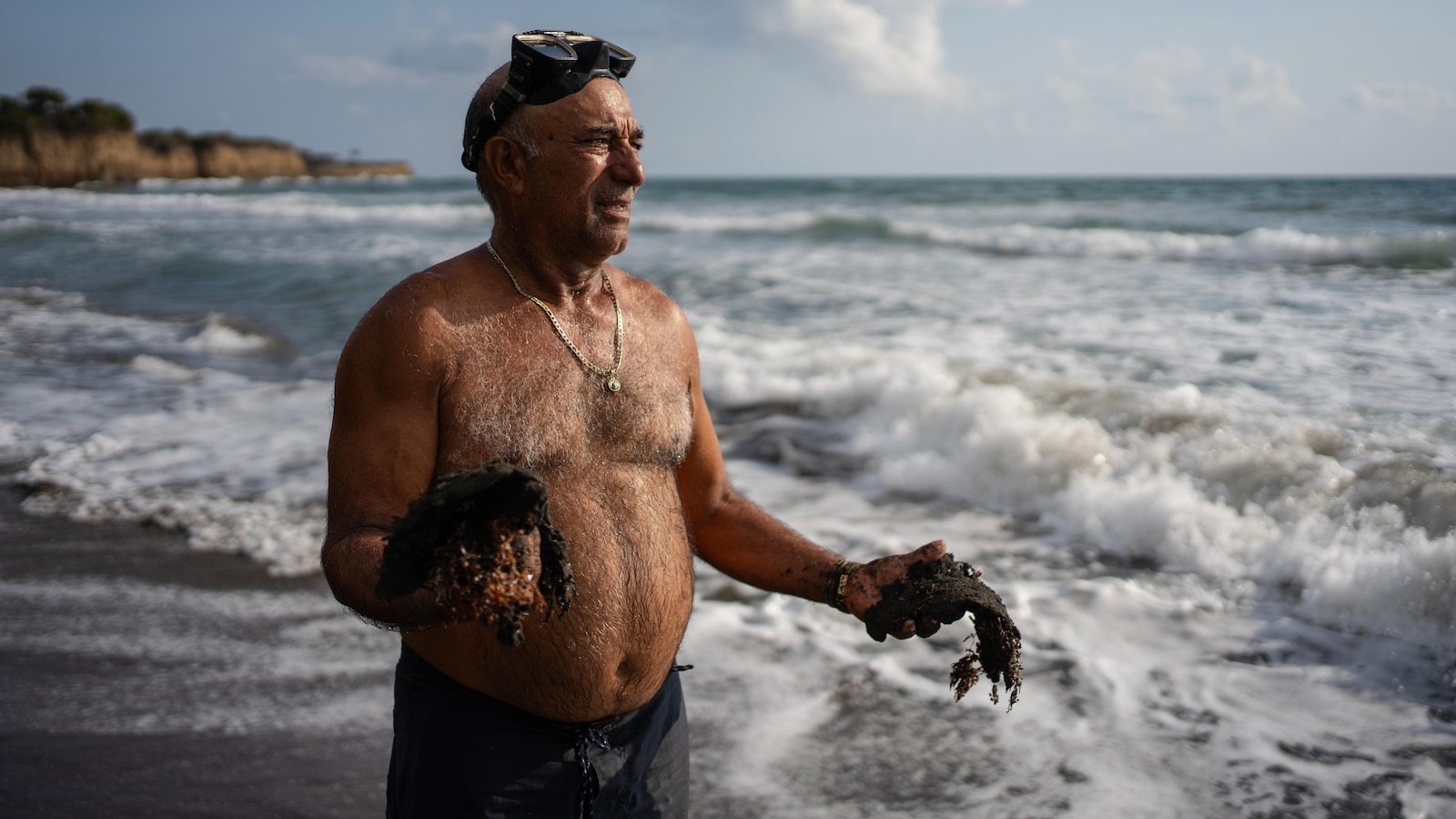
Gulf of Mexico Oil Spill Spreads, Kills Wildlife, Pollutes Mexican Reserves
Associated Press
•
Friday, March 27, 2026
•
Coatzacoalcos, Ver., Mexico
An oil spill in the Gulf of Mexico has expanded significantly since early March, impacting a wide area and causing substantial environmental damage. Mexican authorities have confirmed the spill has spread over 600 kilometers, reaching several protected natural areas and resulting in wildlife deaths and pollution of coastal ecosystems. The spill threatens biodiversity and local fishing industries, raising concerns about environmental remediation and corporate accountability. ## Latest Update The Environment Ministry (SEMARNAT) reports the spill has impacted the coasts of Tamaulipas and Veracruz. Investigations continue to determine the exact source and total volume of the leak. ## Timeline * **2026-03-27:** Mexican authorities announced an oil spill in the Gulf of Mexico has spread more than 600 kilometers (373 miles), impacting seven nature reserves. The spill originated from a vessel off Coatzacoalcos, a geological site 8km from the port, and another seepage in the Bay of Campeche. 430 tons of hydrocarbons have been collected so far. * **2026-03-27:** The oil spill in the Gulf of Mexico has killed wildlife and polluted Mexican reserves. The spill has impacted the coasts of Tamaulipas and Veracruz, threatening biodiversity and local fishing industries. ## What to Watch * **Source Identification:** Continued investigation into the exact source of the spill, including the vessel and natural seepages, is crucial for accountability and prevention. * **Environmental Impact:** Monitor the long-term effects on wildlife, coastal ecosystems, and local fishing industries. * **Remediation Efforts:** Track the progress of cleanup and remediation efforts, and assess their effectiveness in mitigating the damage.