
Iran War Exposes AI Industry Vulnerabilities: Energy Crisis, Supply Chain Disruptions Threaten Growth
Financial Post
•
Wednesday, March 25, 2026
•
China
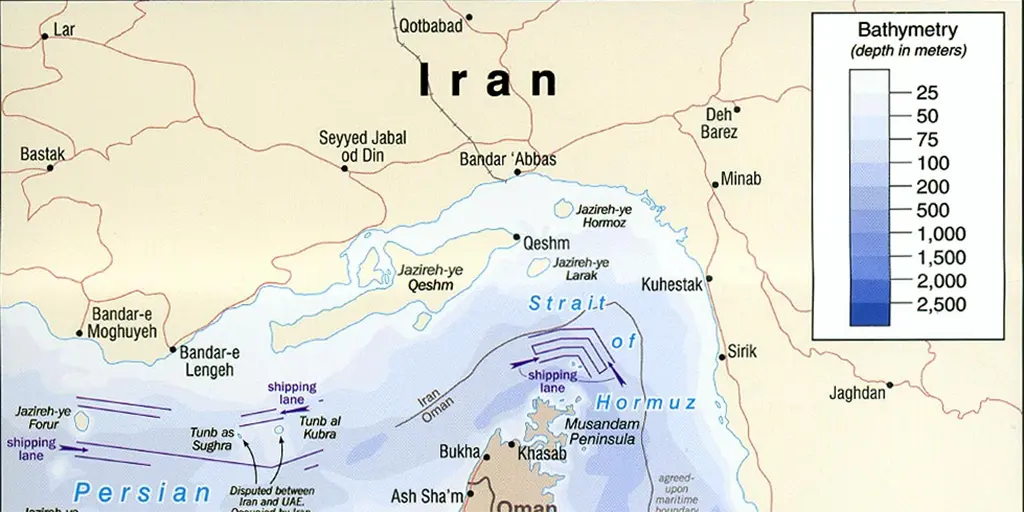
The Iran war is creating a complex situation for the artificial intelligence industry. While initial reports suggested China's AI sector was buffering the economic impact of the conflict, new developments reveal vulnerabilities related to energy supply, critical material shortages, and overall geopolitical instability. The war's impact extends beyond immediate strikes on data infrastructure, altering the economics and geography of the global AI landscape. Companies are beginning to reassess AI investments due to growing uncertainty. ## Latest Update The US AI advantage, reliant on a fragile material base, faces challenges in the Strait of Hormuz due to the ongoing conflict. The war has highlighted the critical role of AI at operational speed, while also exposing the vulnerabilities in the supply chains required to sustain that advantage. Strategic reserves are now more important than ever. ## Timeline * **2026-03-25:** AI demand shields China’s trade from Iran war shock, offsetting disruptions from higher oil prices. * **2026-03-26:** The Iran war is shaking the AI industry, causing an oil shock and impacting critical inputs like helium for semiconductor manufacturing. * **2026-04-24:** The Iran war exposes the fragility of the material base required to sustain America's AI advantage, particularly in the Strait of Hormuz. ## What to Watch * **Energy Prices:** Monitor energy prices and their impact on data center operations and AI development costs. * **Supply Chain Resilience:** Track disruptions in critical materials like helium and their effect on semiconductor manufacturing and AI hardware production. * **Geopolitical Stability:** Assess the impact of regional instability on AI investment decisions and the potential fragmentation of the global AI landscape.