
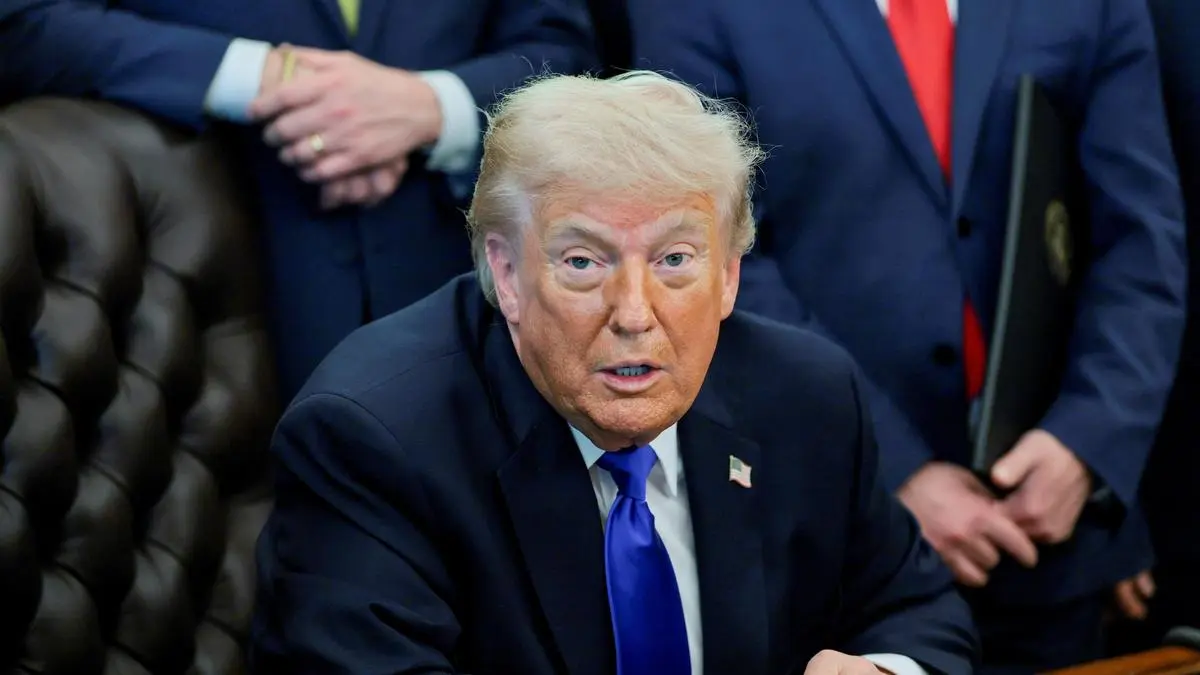
US-Iran Tensions: Trump Claims Iran Wants Deal, Cancels Pakistan Talks Amid Strait of Hormuz Concerns
The Times of India
•
Wednesday, March 25, 2026
•
Tehran, Tehran Province, Iran
The US-Iran conflict remains a tense situation, with President Trump claiming progress in potential talks while simultaneously increasing pressure. The Strait of Hormuz remains a key flashpoint, and Iran's nuclear ambitions continue to be a major concern. Mediators from various countries have been attempting to facilitate dialogue, but progress remains uncertain. The internal political situation in Iran, following the death of Ali Khamenei, adds another layer of complexity to the situation. ## Latest Update President Trump has cancelled planned talks with Pakistan, citing a poor proposal from Tehran, further complicating diplomatic efforts. Despite this setback, Trump maintains that Iran is "dying to make a deal" and claims that US actions have weakened the Iranian military and stopped executions. Tensions in the Strait of Hormuz remain high. ## Timeline * **2026-03-25:** President Trump claims progress in talks with Iran via a 15-point plan delivered by Pakistan, but Iran denies negotiations. The conflict escalates with US troop deployments and Israeli strikes. Key issues include the Strait of Hormuz and Iran's nuclear program. * **2026-04-26:** President Trump cancels peace talks with the Taliban in Afghanistan and a planned trip to Pakistan, citing a poor proposal from Tehran. Tensions remain high in the Strait of Hormuz. * **2026-04-30:** President Trump says Iran is “dying to make a deal” with the United States, claiming US actions have stopped executions in Iran and weakened its military. Tensions remain high over Iran's nuclear ambitions and the Strait of Hormuz. ## What to Watch * **Strait of Hormuz:** Monitor for any escalatory actions that could disrupt oil supplies. * **Diplomatic Developments:** Track any new attempts at mediation and the conditions set by both sides for negotiations. * **Iranian Internal Politics:** Monitor for any shifts in leadership or policy that could impact the country's stance on negotiations.