
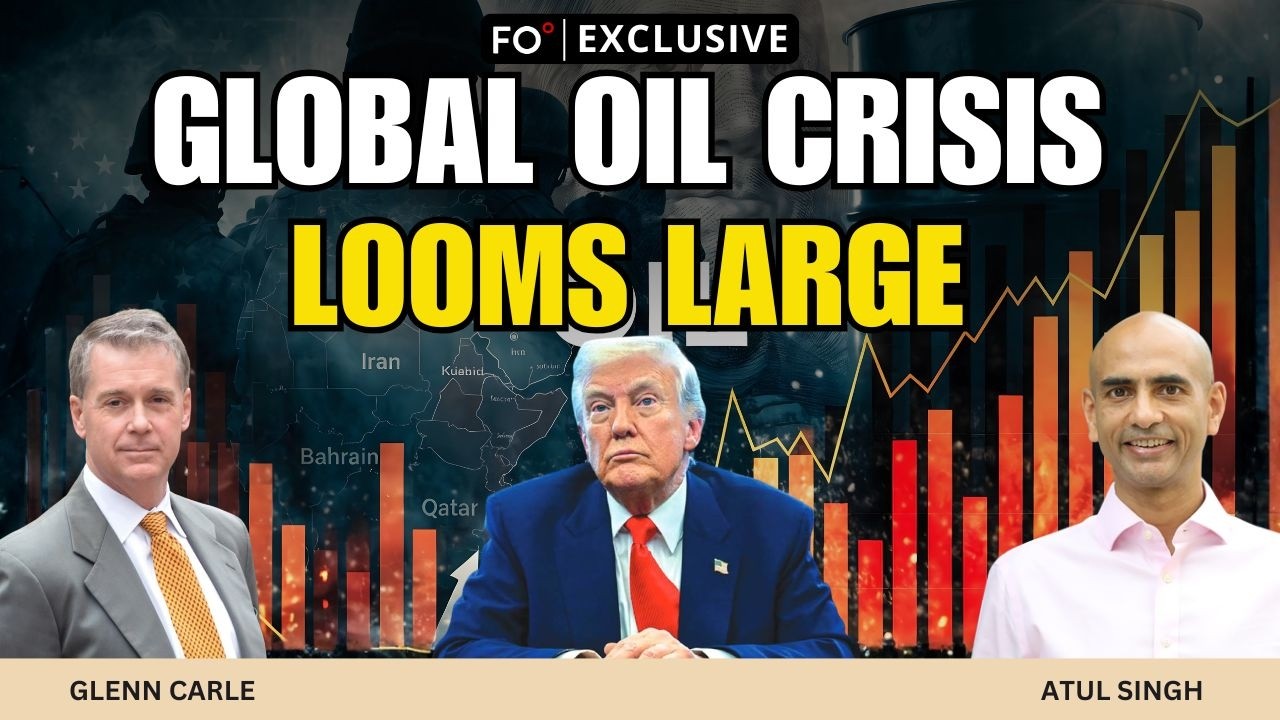
Hormuz Crisis: Iran Threatens Oil Flow, US Escalates Strikes, Stagflation Risk Looms
Al Jazeera English
•
Wednesday, March 25, 2026
•
Strait of Hormuz
The Strait of Hormuz remains a critical flashpoint as tensions escalate between Iran, the US, and Israel. Following attacks on Iranian facilities, Tehran has threatened to prevent oil from leaving the Middle East, a move that could trigger a global economic shock. While Iran has stated that "non-hostile" ships may transit the Strait under certain conditions, maritime traffic remains significantly reduced, exacerbating supply disruptions and raising concerns about a 1970s-style oil crisis. The situation is further complicated by the potential for a US-Iran double blockade of the Strait. The crisis has already led to a spike in oil and gas prices, as well as fertilizer costs, threatening global stagflation. The potential liquidation of Gulf sovereign wealth funds adds another layer of economic instability, potentially impacting Western stock markets and US Treasuries. The conflict also carries the risk of nuclear escalation as Israel's defenses are strained. ## Latest Update Two months after the initial attack on Iran's leadership, the crisis continues to escalate, with both sides taking escalatory measures. The potential for a US-Iran double blockade of the Strait of Hormuz now looms, further threatening the global economy. ## Timeline * **2026-03-25:** Iran says "non-hostile" ships can pass safely through the Strait of Hormuz, but maritime traffic remains low. * **2026-03-26:** The US Defense Secretary vows intensified strikes inside Iran as Iranian forces attack Israel and its neighbors. Iran threatens to stop oil exports. * **2026-03-26:** Closure of the Strait of Hormuz halts oil, gas, and fertilizer exports, causing price spikes and threatening global stagflation. * **2026-03-27:** Experts draw parallels to the 1970s oil crises, warning of potential stagflation due to supply disruptions and high prices. * **2026-04-30:** Reflecting on the past, analysts draw comparisons between the current Hormuz blockade and the oil crises of the 1970s. * **2026-05-10:** A US-Iran double blockade of the Strait of Hormuz is now a potential scenario, threatening the global economy. ## What to Watch * **Escalation of Military Engagements:** Monitor the intensity and frequency of attacks between Iran, the US, and Israel, as any significant escalation could trigger a wider conflict. * **Economic Impact:** Track oil prices, stock market fluctuations, and sovereign wealth fund activity to assess the economic consequences of the crisis. * **Strait of Hormuz Traffic:** Monitor shipping activity through the Strait of Hormuz for any further disruptions or blockades.