
Iran War Intensifies Global Economic Fears: Perpetual Shocks and Energy Crisis
Fortune
•
Saturday, March 21, 2026
•
Strait of Hormuz
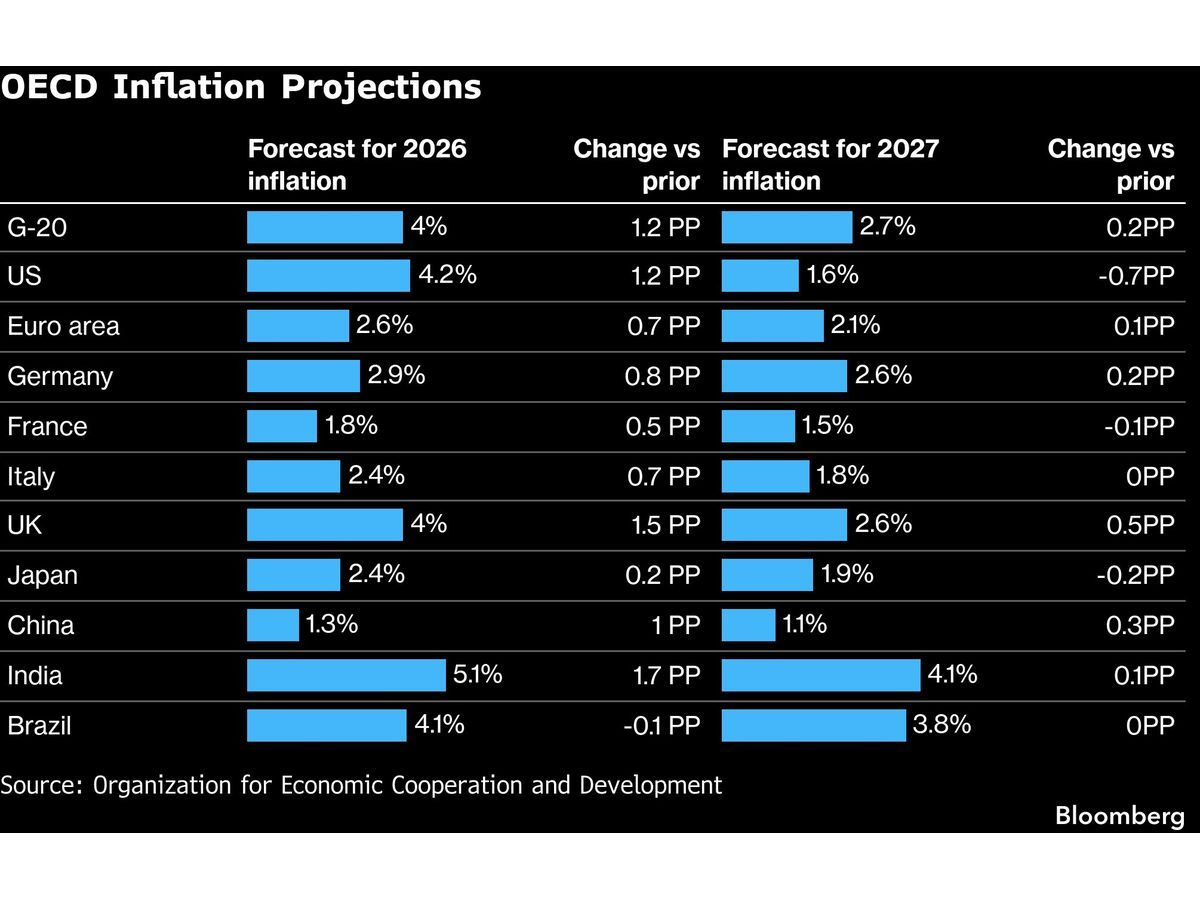
The Strait of Hormuz crisis, exacerbated by the ongoing conflict involving Iran, is sending shockwaves through the global economy. Leaders are grappling with cascading disruptions, from energy supply shortages to breakdowns in trade routes, leading to fears of sustained inflation and economic instability. The situation is increasingly viewed not as a series of isolated incidents, but as a fundamental shift towards a more volatile and unpredictable global order. ## Latest Update The latest reports indicate that the conflict involving Iran is forcing a period of intense soul-searching among global economic leaders. They are struggling to formulate effective responses to the cascading shocks, acknowledging that these events are not temporary but rather a permanent feature of the new geopolitical landscape. ## Timeline * 2026-03-21: The Strait of Hormuz disruption is identified as the fourth major supply shock of the decade, following COVID-19, the Ukraine war, and the Red Sea crisis, signaling a shift towards global disorder. * 2026-03-28: The conflict involving Iran is forcing global leaders to confront the 'abyss of perpetual shocks,' recognizing the energy supply disruptions as a permanent feature of the new geopolitical landscape. ## What to Watch * Further escalation of the conflict involving Iran and its impact on energy supplies and global trade routes. * The Federal Reserve's response to rising inflationary pressures and potential adjustments to monetary policy. * Geopolitical developments in the Middle East and their potential to trigger further supply chain disruptions.