
Global Economy Weakens Amid US-Israel-Iran War: PMIs Decline, Inflation Fears Rise
Econbrowser.com
•
Friday, March 20, 2026
•
United States
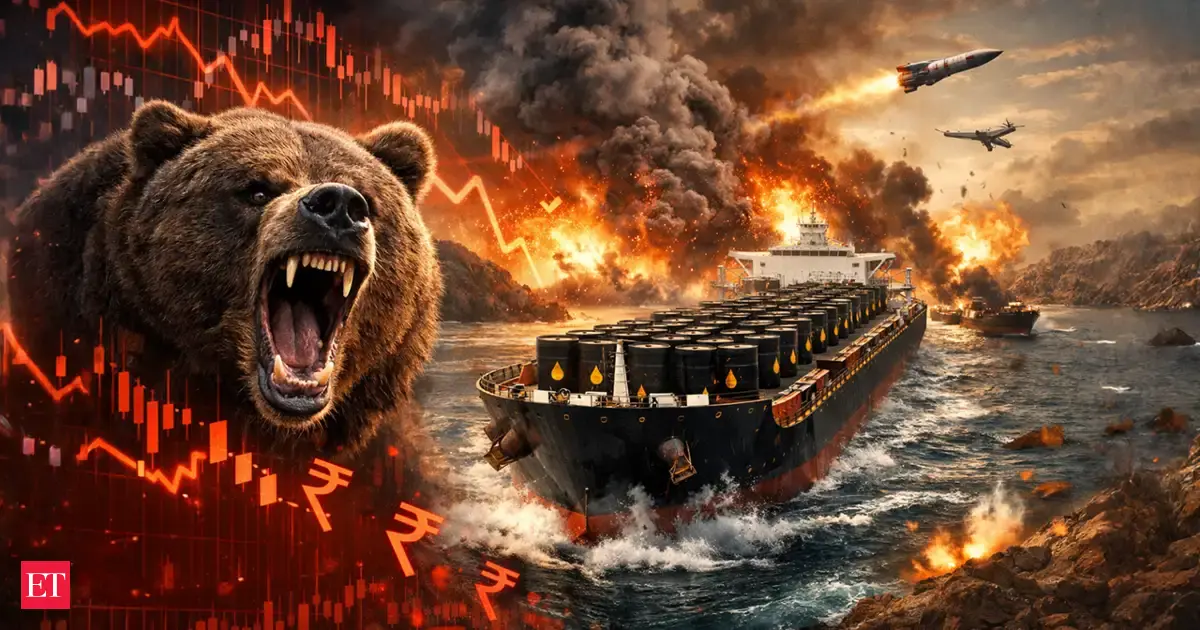
The global economy is facing headwinds as the conflict between the US, Israel, and Iran continues. Initial economic indicators, such as Purchasing Manager Indexes (PMIs), point to a broad weakening across both manufacturing and services sectors. The war has triggered a spike in energy prices due to disruptions in regional shipping and production, raising concerns about global consumer price inflation. Central banks are reacting differently, with some shelving easing plans, others adopting tightening biases, and some even increasing interest rates. Investors are reassessing rate cut expectations, and GDP forecasts are being revised downward. ## Latest Update The latest data, reflected in March PMI estimates, indicates a synchronized weakening across manufacturing and services sectors globally. This offers an early glimpse into the cumulative economic damage incurred in the three weeks following the US-Israel attack on Iran. The WSJ survey mean, incorporating knowledge of the war's onset, does not indicate recession, though nowcasts of core GDP indicate some softness. ## Timeline * **2026-03-20:** Nowcasts are generally below pre-war GDP forecasts, with some softness indicated in core GDP. * **2026-03-22:** Global PMIs are expected to show a decline, signaling a synchronized weakening in manufacturing and services following the outbreak of war. Energy price spikes and shipping disruptions are fueling inflation concerns, prompting varied central bank responses. ## What to Watch * **Escalation of Conflict:** Further escalation in the Middle East could exacerbate energy price shocks and shipping disruptions, intensifying inflationary pressures and economic slowdown. * **Central Bank Policy:** Monitor central bank responses to inflation. Divergent policies could create further economic instability. * **Supply Chain Resilience:** Assess the resilience of global supply chains to withstand further disruptions. Diversification of sourcing and production may become critical.