
Iran Asserts Control Over Hormuz, Imposes Tolls; Oil Markets Brace for Prolonged Disruption
The Times of India
•
Friday, March 20, 2026
•
Iraq
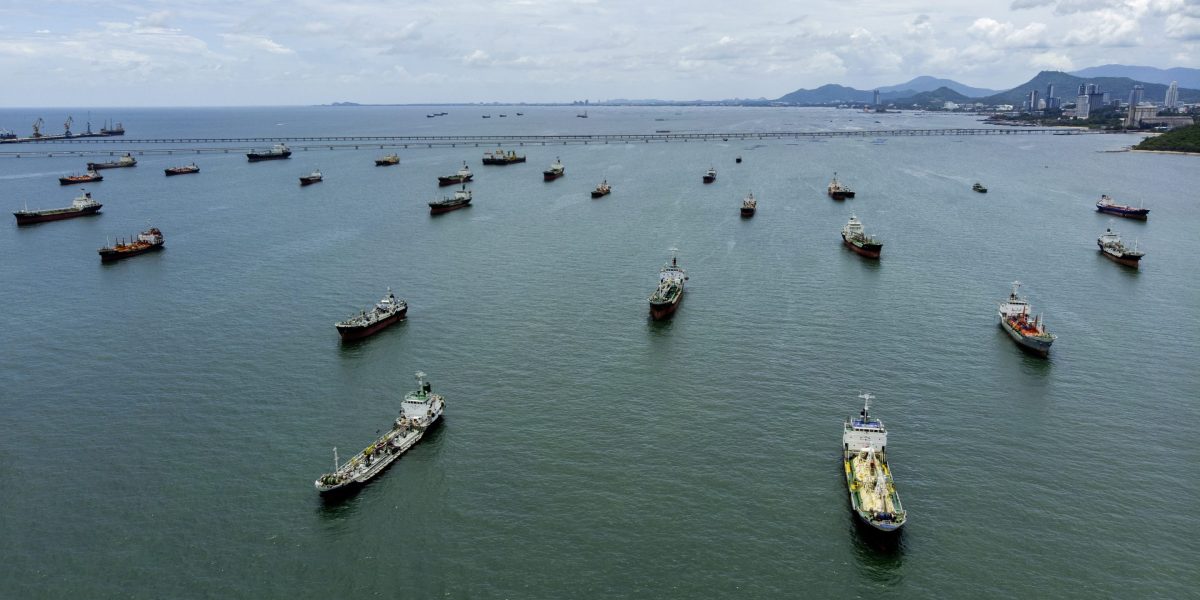
Iran is solidifying its control over the Strait of Hormuz, a vital artery for global energy trade, amidst escalating tensions with Israel. Tehran has issued warnings to international shipping and is implementing a toll system for passage. This move is disrupting the flow of oil, gas, and fertilizers, raising concerns about energy security and global food supplies. Analysts warn of potential unprecedented volatility in energy prices and supply chain collapses if the situation persists. The US is considering options to ease Iran's grip, including deploying additional troops to the region. ## Latest Update Iran's actions in the Strait of Hormuz are seen as a structural shift in energy transit, moving the market away from rapid recovery expectations towards a sustained period of high prices. Physical control over this critical chokepoint is now outweighing market sentiment. This shift is expected to have long-term implications for global energy markets and supply chains. ## Timeline * **2026-03-20:** Oil prices surge to their highest since July 2022 due to escalating conflict and supply disruptions. Attacks on energy infrastructure and warnings from the IEA contribute to market anxiety. * **2026-03-24:** Oil prices rebound after a decline, driven by uncertainty surrounding the reopening of the Strait of Hormuz. The US plans to deploy troops to the region. * **2026-03-28:** Iran takes steps to assert control over the Strait of Hormuz, issuing warnings to vessels and implementing tolls, amidst escalating military tensions with Israel. * **2026-03-28:** Analysts suggest Iran's actions point towards a long-term high price plateau, rather than a quick recovery, due to physical control over the Strait. ## What to Watch * **Escalation Risks:** Monitor the potential for further military clashes between Iran and Israel, which could further destabilize the region and disrupt energy supplies. * **Global Supply Chains:** Track the impact on fertilizer supplies and food security, as disruptions in the Strait of Hormuz affect the movement of essential goods. * **US Response:** Pay close attention to the US response, including military deployments and diplomatic efforts, as they could significantly influence the situation in the Strait.