
Zoonotic Disease Risk Rises with Restoration & Flooding; Malaria Threat in Africa
news.mongabay.com
•
Tuesday, February 17, 2026
•
Stirling, UK
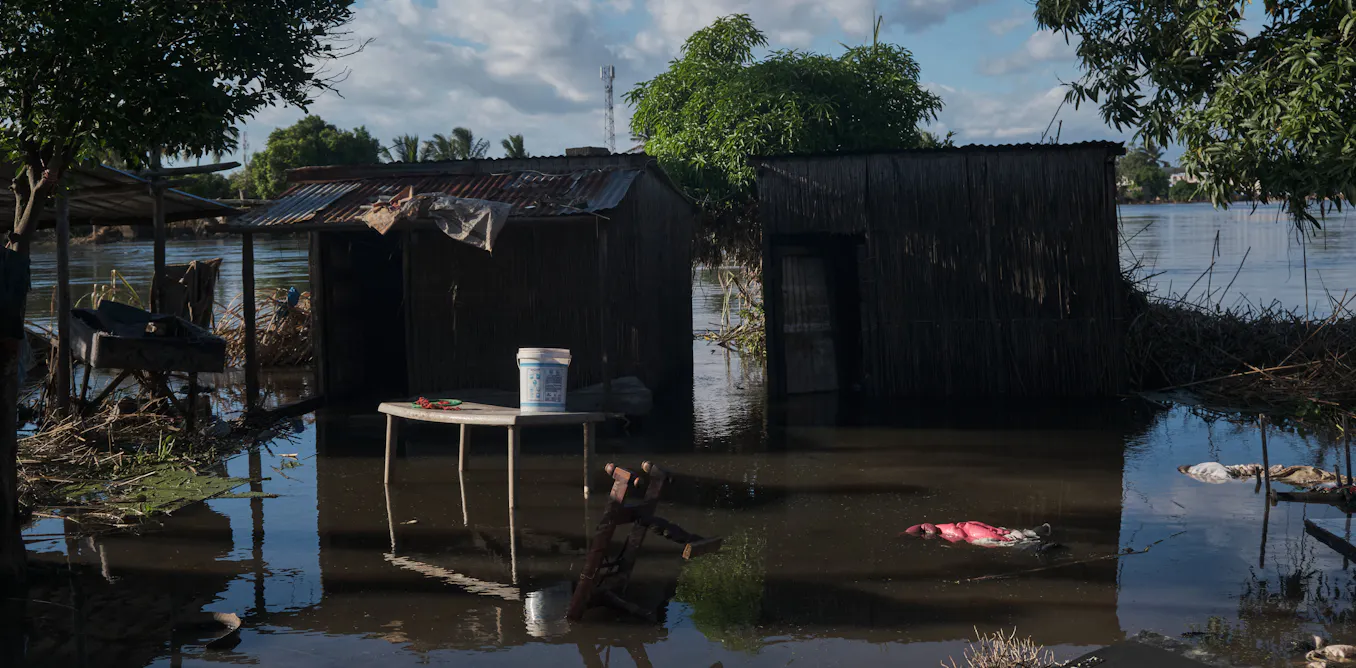
Habitat restoration efforts, while crucial for biodiversity and climate change mitigation, can paradoxically lead to a short-term increase in zoonotic disease risk. This is often due to the initial influx of rodents, common disease vectors, into disturbed landscapes. Simultaneously, flooding in Africa is exacerbating the threat of malaria by creating ideal breeding grounds for mosquitoes in stagnant pools left behind as floodwaters recede. Disaster response strategies need to evolve to include health surveillance and vector control to mitigate these delayed health impacts. ## Latest Update The most recent report emphasizes the need for integrated disaster management in Africa, incorporating health surveillance and vector control as core components of flood response. Research indicates a clear link between extreme weather events and subsequent malaria spikes, highlighting the need for preparedness beyond immediate relief efforts. ## Timeline * **2026-02-17:** Research indicates that some forest restoration projects can lead to a short-term rise in zoonotic diseases due to the initial colonization of disturbed landscapes by rodents. * **2026-03-01:** Flooding in Africa increases the risk of malaria transmission by creating stagnant pools for mosquito breeding. Experts call for integrated disaster management including health surveillance and vector control. ## What to Watch * Monitor flood-prone regions in Africa for increases in malaria cases in the weeks following major flooding events. * Pay attention to research on specific restoration practices that minimize the risk of zoonotic disease outbreaks. * Advocate for integrated disaster management strategies that include public health components, such as vector control and disease surveillance.