
After crushing protests, Iran's supreme leader now tries to avert a U.S. attack
pbs.org
•
Wednesday, February 4, 2026
•
Tehran, Tehran Province, Iran
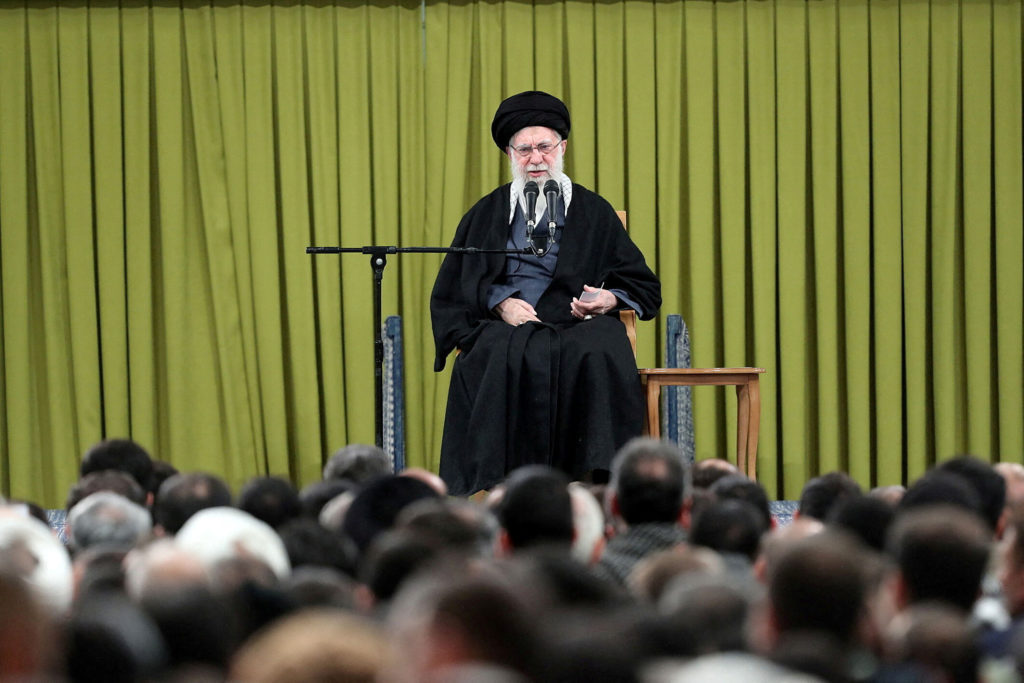
Iran's Supreme Leader Ayatollah Ali Khamenei crushed the protests that swept across the country last month, but only by unleashing the bloodiest crackdown of his nearly four decades in power. Now, with an American flotilla nearby, the 86-year-old Khamenei is trying to avert a potential U.S. attack. He has warned that if U.S. President Donald Trump strikes, a regional war will ensue. At the same time, he is allowing Iran to enter negotiations with the U.S. over its nuclear program, reversing his previous rejection of talks. The ferocious suppression of the protests is a sign of how deep a threat Khamenei and Iran's leadership see in the widespread popular anger. Years of sanctions, economic mismanagement and corruption have gutted Iran's economy, hitting its once-large middle class hard. Chants of 'Death to Khamenei!' during January's protests underscored how economic woes have turned to resentment of clerical rule. Popular discontent is not the only strain on the theocratic system that Khamenei heads. Israeli and U.S. bombardment during last summer's 12-day war heavily damaged Iran's nuclear program, missile systems and military capabilities. And Iran's network of regional proxies that includes Hamas in Gaza and Hezbollah in Lebanon — dubbed the 'Axis of Resistance' — has crumbled in recent years, setting back its ability to wield influence across the Middle East. Still, Iran's domestic crackdown displayed the iron grip that Khamenei and his Revolutionary Guard are capable of imposing. Thousands were killed, tens of thousands were arrested and the internet was shut down, largely cutting off Iranians from communicating with the outside world for weeks. Khamenei declared that 'rioters must be put in their place,' giving a green light for a crackdown. Activists say they have so far documented more than 6,700 killed. By agreeing to nuclear negotiations with the U.S., Khamenei may be seeking to buy time to avert U.S. strikes. Turkey, Egypt, Oman, Pakistan, Qatar, Saudi Arabia and the United Arab Emirates have all been working to try to arrange talks in Oman.