
Magnitude 6.5 earthquake strikes Mexico, tremors felt across several states
Science Daily
•
Friday, January 2, 2026
•
Tecoanapa, Guerrero, Mexico
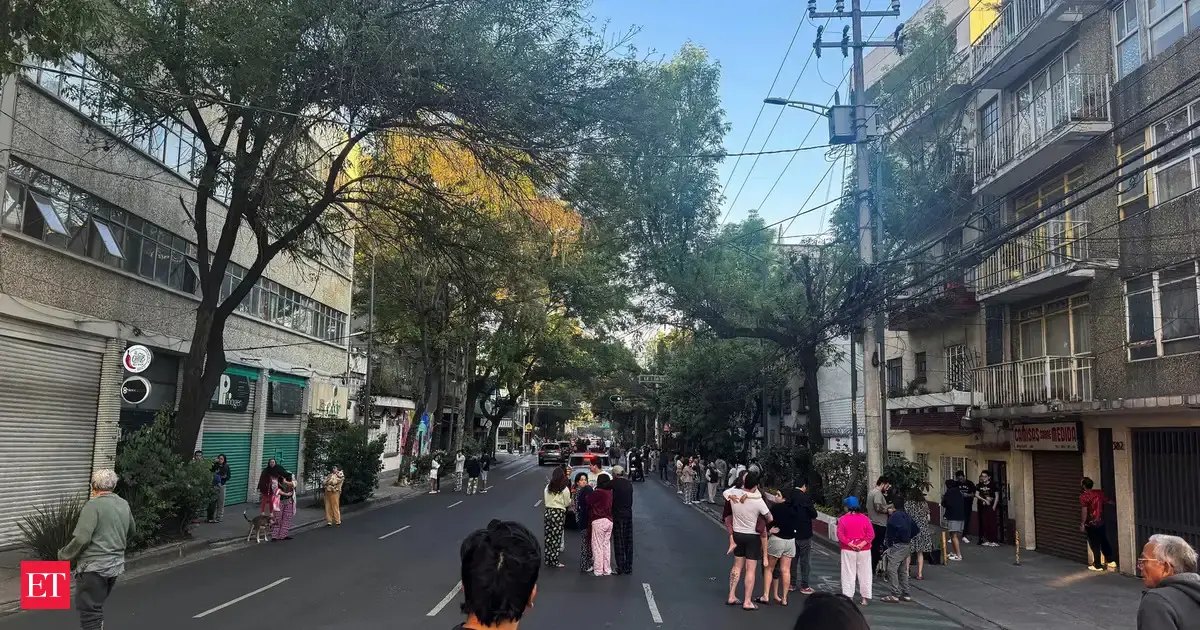
A powerful magnitude 6.5 earthquake struck southern Mexico on Friday morning, resulting in tremors through several states and reaching Mexico City almost 300 kilometers away. The quake happened at 7:58 a.m. local time in Guerrero state, catching numerous residents off guard during their morning schedules. The epicenter was situated near Tecoanapa in Guerrero, around 282 kilometers south of Mexico City and roughly 65 kilometers from the coastal city of Acapulco de Juarez. With a depth of 35 kilometers, the tremor was moderately shallow, making the shaking feel more pronounced on the surface. Impact Across Central Mexico: The earthquake impacted a wide region in central Mexico. Scientists estimate that around 5.7 million people encountered some level of shaking. Regions closest to the epicenter experienced the strongest tremors, with people reporting numerous seconds of intense shaking, buildings swaying, objects falling from shelves, and many rushing outside for safety. Acapulco de Juarez, a city of more than 650,000 residents, felt moderate shaking, while Mexico City, home to over 12 million people, reported light to moderate movement. Several residents received earthquake alerts on their phones seconds before the shaking, giving them valuable time to seek safety. Over 300 people submitted reports of their experiences. Many people were asleep when alerts sounded, while others found chandeliers swinging, water sloshing in pools, and furniture shifting across floors. Individuals in high-rise buildings experienced more pronounced swaying than those on lower levels. The earthquake alert system operated as intended, providing warnings to phones and public speakers before the shaking happened. This early warning system is essential for allowing people to move to a safe place and prepare for incoming tremors. This region of Mexico lies along an active seismic zone where tectonic plates converge, resulting in frequent earthquake activity. Experts state that the area typically experiences almost 1,300 earthquakes per year within a 100-kilometer radius, though most are too small to feel. The last earthquake of similar or greater strength happened in September 2021, when a magnitude 7.1 quake struck nearby. How severe was the risk from this earthquake? Preliminary analysis classified the tremors as having moderate challenges for fatalities and damage. The moderate depth and earthquake-resistant construction in several regions reduced possible harm. Scientists estimate most areas encountered experienced shaking levels likely to result in minor damage like fallen objects or cracked walls, but unlikely to cause structural failure. Emergency authorities remain to monitor for aftershocks, and residents are recommended to remain alert. How did the government respond? The quake triggered seismic alarms in Mexico City, briefly forcing President Claudia Sheinbaum and her team to evacuate during a live press briefing. The tremor rattled buildings in the capital and surrounding regions, prompting residents and tourists to move into the streets as the earthquake alert system sounded. The president resumed her briefing after confirmation that everyone was safe.