
The Unstoppable Rise of the Modern Prepper
s1gma
Thursday, December 11, 2025
4 min read
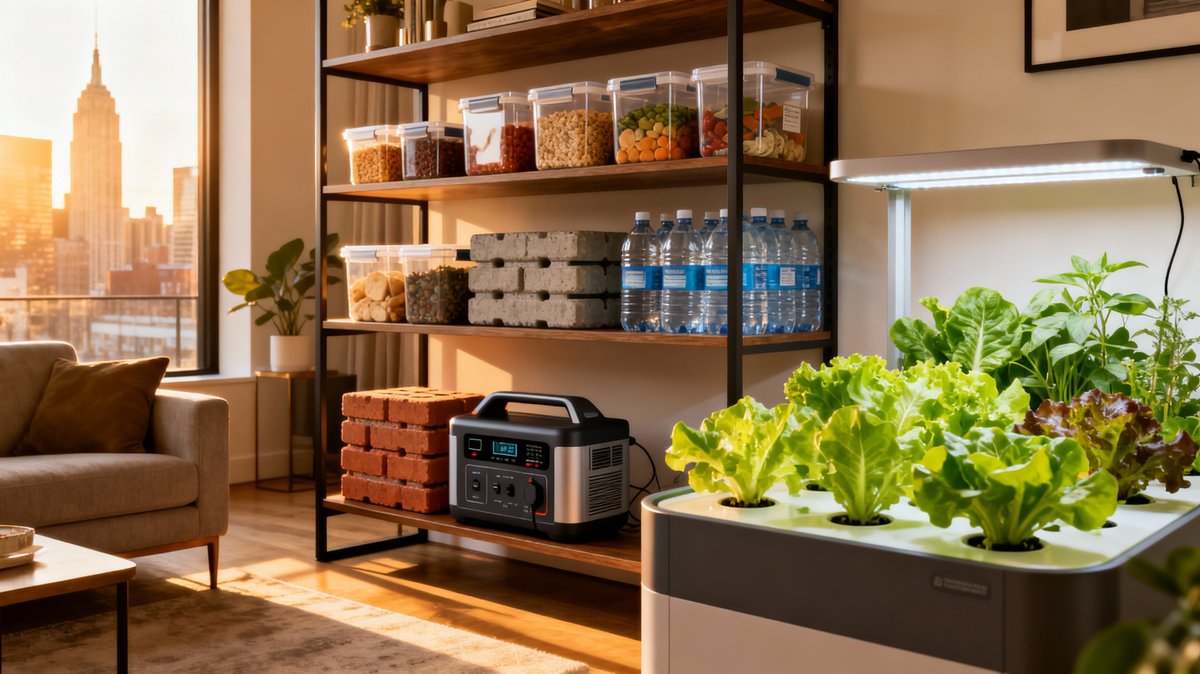
Once a fringe subculture rooted in Cold War fears, the prepper movement has exploded into the mainstream, driven by global uncertainty and a desire for self-reliance. From urban survival strategies to community-building, discover why millions are preparing for the unknown and how the movement is evo
Once relegated to the fringes of society, the prepper movement has surged into the mainstream, attracting millions of followers from all walks of life. These individuals, known as "preppers," are dedicated to preparing for a wide range of potential disasters, from natural catastrophes and economic collapse to civil unrest and global pandemics. Far from the stereotypical image of a lone wolf in a bunker, today's prepper is more likely to be a suburban parent, a city dweller, or a tech-savvy millennial focused on self-reliance and community resilience.
From Cold War Survivalism to Mainstream Preparedness
The roots of the prepper movement can be traced back to the "survivalism" of the 1960s, a response to the threat of nuclear war during the Cold War. Early survivalists focused on wilderness survival skills, building shelters, and stockpiling weapons and supplies. The term "survivalist" itself was coined by Kurt Saxon, who advocated for armed revolution. This early iteration of the movement was often associated with right-wing extremism and paranoia.
The movement began to shed its radical image in the 2000s, rebranding itself as "prepping." A series of events, including the Y2K bug, the 9/11 terrorist attacks, Hurricane Katrina, and the 2008 financial crisis, brought the importance of personal preparedness to the forefront of public consciousness. By 2010, the term "prepper" had become more common, distinguishing itself from the more militant connotations of "survivalist." Preppers were seen as everyday people who wanted to be prepared for short-term emergencies without necessarily isolating themselves from society.
Why the Growing Appeal?
The growth of the prepper movement has been fueled by a pervasive sense of uncertainty and a lack of faith in the ability of governments to handle crises. The COVID-19 pandemic, in particular, served as a major catalyst, highlighting the fragility of supply chains and the importance of self-sufficiency. The increasing frequency of extreme weather events, political polarization, and civil unrest have further solidified the belief that individuals need to take responsibility for their own safety and well-being.
Beyond large-scale disasters, many people are drawn to prepping as a way to prepare for personal emergencies, such as job loss or a medical crisis. For some, prepping is a way to alleviate anxiety and gain a sense of control in an unpredictable world. The movement has also diversified, attracting a broader demographic that includes minorities and individuals with left-leaning political views.
The Future of Prepping: Trends to Watch
The prepper movement continues to evolve, with several key trends shaping its future.
- Urban Prepping: With a growing number of people living in cities, there is an increased focus on preparing for disasters in urban environments. This includes developing skills for "stealth prepping" to avoid unwanted attention and creating compact, mobile survival kits.
- Community and Collaboration: Recognizing the limitations of individual preparedness, many preppers are now focusing on building resilient communities. This involves creating mutual assistance groups, sharing knowledge and resources, and establishing neighborhood security networks.
- Technology and Sustainability: Technology is playing an increasingly important role in prepping, with the use of smart devices, emergency apps, and portable solar chargers. There is also a growing emphasis on sustainability, with more preppers focusing on renewable energy, rainwater harvesting, and sustainable food sources like gardening and permaculture.
- Skill-Building and Education: The prepper community is placing a greater emphasis on acquiring practical skills, such as first aid, food preservation, and self-defense. Online forums, workshops, and YouTube channels have become popular platforms for sharing knowledge and learning new skills.
Conclusion
The prepper movement has transformed from a niche subculture into a global phenomenon. Driven by a confluence of fears and a desire for self-reliance, millions of people are embracing the prepper ethos. As the world continues to face complex and interconnected challenges, the prepper movement is likely to grow, adapt, and become an increasingly integral part of modern society.