
Iran Crisis: Strait of Hormuz Closure and Global Supply Chain Risks
S1GMA Intel
Monday, May 25, 2026
5 min read
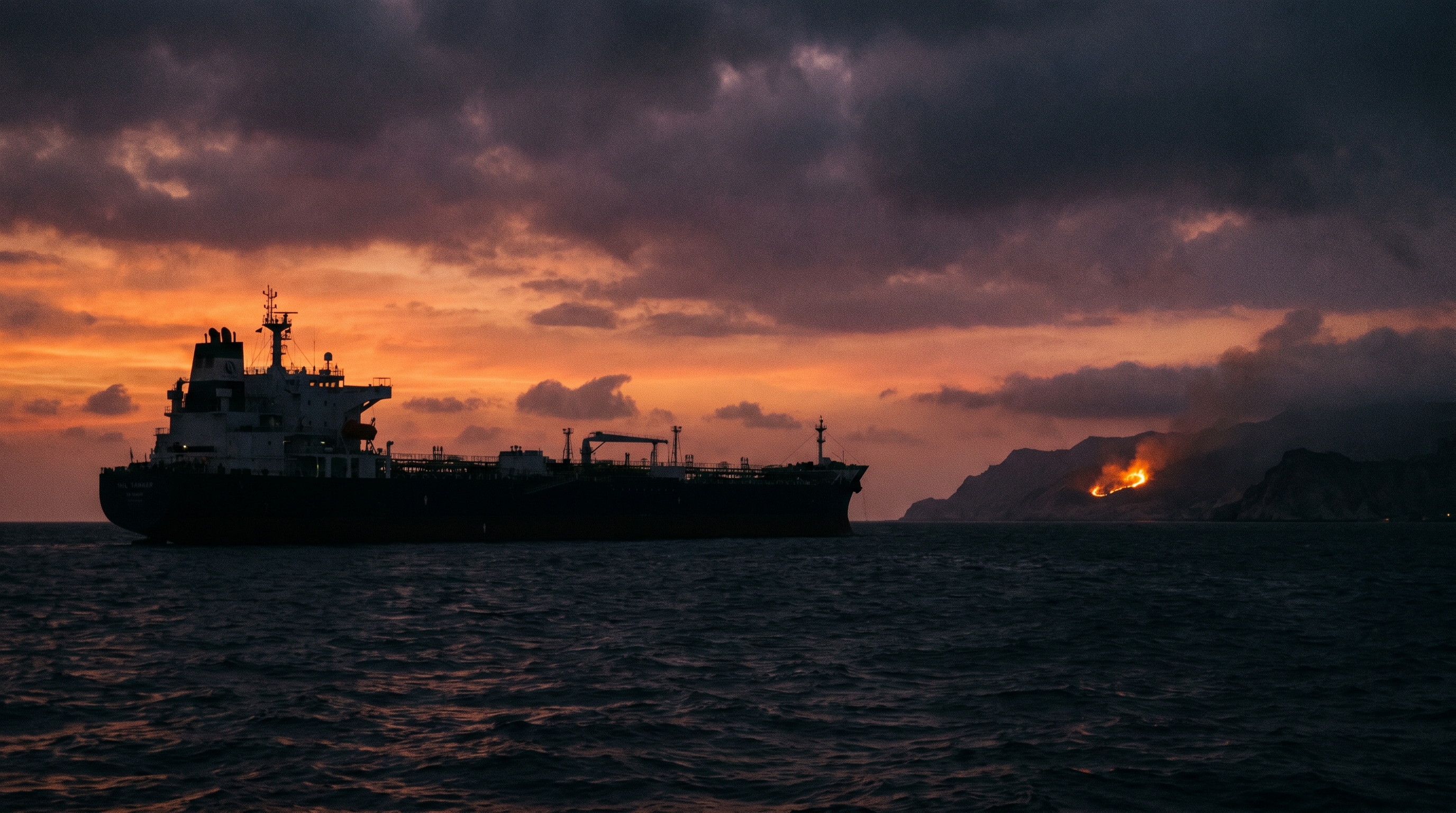
The effective closure of the Strait of Hormuz and the death of President Raisi have triggered a global energy crisis. Understand the tactical shift in Iranian maritime strategy and how to prepare for the resulting economic fallout.
The Strait of Hormuz is the world’s most critical energy chokepoint, and right now, it is effectively offline. Between the sudden death of President Ebrahim Raisi and a high-stakes maritime standoff with the United States, Iran has transitioned from a regional agitator to a global economic disruptor. This is not a theoretical exercise in geopolitics; it is a systemic threat to your supply chain, your fuel costs, and your personal security. When 33% of the world’s seaborne oil is restricted, the shockwaves reach every corner of the global market. You need to understand the mechanics of this closure and how to harden your position against the coming volatility.
What We Know
The Strait of Hormuz, a 33-kilometer-wide passage, is currently unnavigable for standard commercial traffic. Iran has not utilized a traditional naval blockade—which would be vulnerable to conventional U.S. military intervention—but has instead implemented a de facto closure through asymmetric warfare. By utilizing exploding sea drones, aerial drones, and land-launched missiles, Tehran has turned the waterway into a high-risk war zone. This strategy, reportedly borrowed from successful Ukrainian tactics in the Black Sea, makes large, expensive commercial vessels and their military escorts vulnerable to cheap, unmanned systems.
The primary mechanism of this closure is economic as much as it is military. The persistent harassment and seizure of tankers have made the passage uninsurable for the majority of commercial shipping firms. Without insurance, traffic stops. Iran is effectively operating the strait as a private "toll booth," granting passage only to those it deems allies while restricting others. This has occurred simultaneously with a U.S. naval blockade of Iranian ports, which Tehran has officially labeled an "act of war."
Compounding this maritime crisis is a massive leadership vacuum within Iran. The death of President Ebrahim Raisi in a helicopter crash has thrown the domestic political landscape into upheaval. Snap elections have been announced, and a power struggle between hardline factions and more moderate elements is underway. This internal instability complicates any diplomatic resolution, as there is currently no clear, singular authority with whom the international community can negotiate. The resulting uncertainty has caused Iran’s internal economy to struggle further, even as it drives global oil prices to elevated levels.
Why It Matters for Preparedness
For the preparedness-minded individual, this situation represents a "force multiplier" for existing economic stressors. Energy is the primary input for almost every good and service in the modern economy. When oil prices remain elevated due to a chokepoint closure, the cost of everything—from groceries to hardware—rises accordingly. We are looking at a sustained period of "everything inflation" that will not resolve until the strait is reopened and insured.
Furthermore, the tactical shift toward asymmetric drone warfare means that traditional military protection (like U.S. Navy escorts) is no longer a guarantee of safety for the global supply chain. If the world’s most powerful navy cannot easily secure a 33-kilometer strip of water against low-cost drones, the reliability of just-in-time delivery systems is effectively dead. You should expect delays in imported goods, potential rationing of certain petroleum-based products, and extreme volatility in the financial markets as they react to every drone strike and political rumor coming out of Tehran.
Finally, the leadership vacuum in Iran increases the risk of a "black swan" event. In a power struggle, factions may take radical actions to prove their strength or consolidate domestic support. This makes the region more unpredictable than it has been in decades, increasing the likelihood of a direct, large-scale kinetic conflict involving the United States and its allies.
What You Can Do
Action is the only antidote to uncertainty. Do not wait for the situation to escalate further before securing your position.
-
Secure Your Energy Needs: If you rely on heating oil, propane, or gasoline for daily operations, top off your storage now. Implement fuel stabilization protocols for long-term storage. If you have been considering a transition to solar or other off-grid energy supplements, accelerate those plans. Reducing your dependence on the global oil market is the most effective way to insulate yourself from this crisis.
-
Audit Your Supply Chain: If you run a business or manage a household, identify products that are imported or rely heavily on maritime shipping. Stockpile a 3-to-6-month supply of essential non-perishables and critical spare parts. The "toll booth" model in the Strait of Hormuz means that shipping will be slower and more expensive for the foreseeable future.
-
Hedge Against Inflation: With energy prices driving up the cost of living, ensure your financial assets are positioned to withstand high inflation. This may include diversifying into commodities, inflation-protected securities, or tangible assets. Minimize high-interest variable debt, as central banks may raise rates further to combat the inflationary pressure of high oil prices.
-
Increase Situational Awareness: Monitor maritime insurance rates and tanker traffic data. These are better indicators of the strait’s status than political rhetoric. If insurance companies begin to re-enter the market, the risk is subsiding. If they continue to withdraw, the closure is hardening.
Looking Ahead
The next 60 days are critical. Watch for the outcome of Iran’s snap elections; a consolidation of power by the ultra-hardline factions will likely lead to a permanent closure of the strait and an escalation of drone attacks. Conversely, if a moderate faction gains traction, we may see an opening for back-channel diplomacy.
Keep a close eye on U.S. naval movements. If the U.S. shifts from an escort posture to a proactive strike posture against Iranian drone launch sites and coastal missile batteries, we are no longer in a "de facto closure" scenario—we are in a hot war. Additionally, watch for other regional players, such as Saudi Arabia or the UAE, to attempt to bypass the strait via overland pipelines. Their ability to do so will determine if the global economy can bypass the Iranian "toll booth" or if we are headed for a prolonged period of energy scarcity.