
Global Grid Failures and Nuclear Threats: The Reality of Modern Fragility
S1GMA Intel
Saturday, March 21, 2026
6 min read
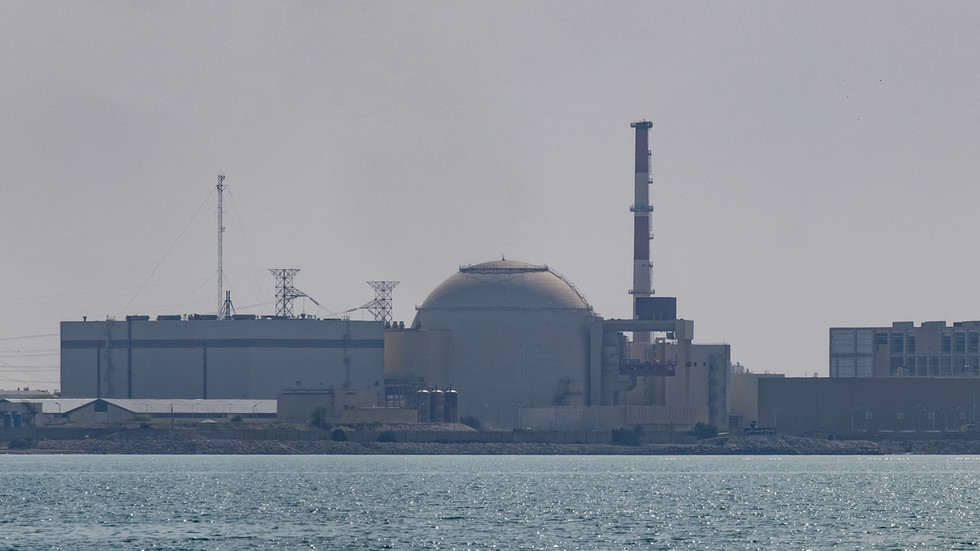
Massive blackouts in Cuba and Iraq, coupled with nuclear escalation in Iran and energy spikes in New York, signal a period of extreme infrastructure instability. Here is what you need to know to prepare.
The illusion of a stable, permanent energy grid is dissolving. In a single week, massive blackouts have paralyzed two nations on opposite sides of the globe, while the World Health Organization (WHO) has begun preparing for a 'worst-case' nuclear incident in the Middle East. From the aging infrastructure of Havana to the kinetic conflict zones of Iraq and the policy-driven energy crisis in New York, the message is clear: the systems you rely on for survival are more fragile than at any point in recent history. When the lights go out, the window for preparation has already closed. You must understand the nature of these threats and the practical steps required to maintain your own operational continuity when the centralized systems fail.
What We Know
In Cuba, the national electrical grid (SEN) has suffered a catastrophic collapse, leaving two-thirds of the island—including the capital, Havana—in total darkness. This is the second major failure in a month. The collapse was triggered when the Antonio Guiteras thermoelectric plant in Matanzas went offline, causing a cascading failure across the island's aging and poorly maintained infrastructure. Fuel shortages and economic sanctions have prevented necessary repairs, leaving millions without power for basic needs, hospital operations, and water distribution.
Simultaneously, Iraq has been plunged into a nationwide blackout following a sudden drop in gas supplies at a major power plant in Basra. While official reports cite technical failures, the timing coincides with a widening US-Israeli military campaign against Iran. The collapse of the Iraqi grid has prompted the United States to issue an emergency advisory, urging all American citizens to leave Iraq immediately due to the high risk of retaliatory strikes and regional escalation. The blackout has effectively paralyzed communication networks and essential services across the country.
In the Middle East, the threat has moved beyond conventional energy concerns. The WHO is currently coordinating contingency plans for a potential nuclear incident in Iran. Following repeated suggestions from Israeli officials that Iranian nuclear sites are legitimate military targets, the WHO is securing medical supplies for radiation sickness and training healthcare workers to handle mass casualties and displacement. This 'worst-case scenario' involves the potential release of radioactive material into the atmosphere, which would have regional and global health implications.
Domestically, the United States is not immune to energy instability. In New York, residents are facing unprecedented spikes in utility bills and warnings of potential grid shortages. Critics point to the closure of the Indian Point Energy Center, which previously supplied a significant portion of power to the Hudson Valley and New York City. The state’s aggressive transition to renewable energy under the Climate Leadership and Community Protection Act (CLCPA) has struggled to keep pace with the decommissioning of traditional power sources, leaving the grid vulnerable during peak demand. Compounding these concerns, a February 2026 Harvard study published in Nature Communications has linked proximity to nuclear power facilities with increased cancer incidence, complicating the debate over nuclear power as a 'clean' energy solution.
Why It Matters for Preparedness
These events demonstrate that grid failure is rarely an isolated incident; it is a symptom of broader geopolitical, economic, and structural decay. For the preparedness-minded individual, there are three critical takeaways from these developments.
First, the 'cascading failure' is the primary threat to modern life. In Iraq and Cuba, a single point of failure—a gas supply drop or a plant going offline—was enough to dismantle the entire national infrastructure. If you are 100% dependent on the grid for water, heat, and communication, you are one technical glitch or one kinetic strike away from total vulnerability.
Second, geopolitical conflict now has immediate kinetic impacts on civilian infrastructure. The situation in Iraq shows that when tensions between major powers escalate, the power grid is often the first casualty, whether through direct sabotage, cyber warfare, or resource diversion. The US warning for citizens to leave Iraq highlights how quickly a regional crisis can transition from a diplomatic issue to a life-threatening security situation.
Third, the transition to 'green' energy is creating a reliability gap. As seen in New York, decommissioning reliable power sources before renewable infrastructure is fully operational creates a 'fragility window.' During this window, energy costs soar and the risk of brownouts or total blackouts increases. You cannot assume that the state or utility companies have a viable backup plan for your household.
What You Can Do
Preparedness is not about panic; it is about building redundancy. Based on the current global signals, you should take the following actions immediately:
-
Establish Off-Grid Power Redundancy: Do not rely on a single source of energy. Invest in a tiered power system. Tier 1 should be portable power stations (LiFePO4 batteries) for charging essential communication devices. Tier 2 should be a dual-fuel generator (propane/gasoline) with at least 50 gallons of stabilized fuel. Tier 3 is a permanent solar array with battery backup.
-
Secure Water Independence: Most municipal water systems rely on electric pumps. If the grid goes down, the water stops shortly after. Maintain a minimum of 14 days of potable water (1 gallon per person per day). Additionally, invest in high-quality gravity-fed filtration systems (like a Berkey or Sawyer) to treat non-potable sources.
-
Radiation Contingency Planning: Given the WHO’s warnings in the Middle East, maintain a supply of Potassium Iodide (KI) tablets for every member of your household. Ensure you have a battery-powered or hand-crank NOAA weather radio to receive emergency broadcasts if the internet and cellular networks fail. Review 'Shelter-in-Place' protocols, focusing on identifying the most shielded area of your home (basement or interior room).
-
Financial Liquidity: During the blackouts in Cuba and Iraq, electronic payment systems failed instantly. Keep a 'blackout kit' of small-denomination cash. In a total grid collapse, digital currency and credit cards are useless for securing immediate supplies or transport.
-
Exit Strategy and Communication: If you have family or business interests in high-risk regions like Iraq, heed the State Department's warnings. Have a 'go-bag' packed and a predetermined meeting point for family members that does not rely on cellular service. Use offline mapping tools like Organic Maps or physical road atlases.
Looking Ahead
The situation in the Middle East is a powder keg. If a strike on an Iranian nuclear facility occurs, the resulting fallout—both radioactive and geopolitical—will be felt globally. We expect to see increased volatility in energy markets and a potential rise in cyber-attacks targeting Western energy infrastructure in retaliation.
In the United States, the 'reliability gap' in the energy grid will likely widen as more traditional plants are decommissioned. Watch for 'emergency conservation' notices from your utility providers; these are often the final warning before rolling blackouts begin. The Harvard study on nuclear safety will likely be used to stall the expansion of nuclear energy, further straining the grid's ability to meet demand. The time to build your personal 'micro-grid' and emergency reserves is now, while the supply chains are still functioning and the lights are still on.