
Asia Energy Collapse: The Strait of Hormuz Blockade and Your Supply Chain
S1GMA Intel
Monday, May 11, 2026
6 min read
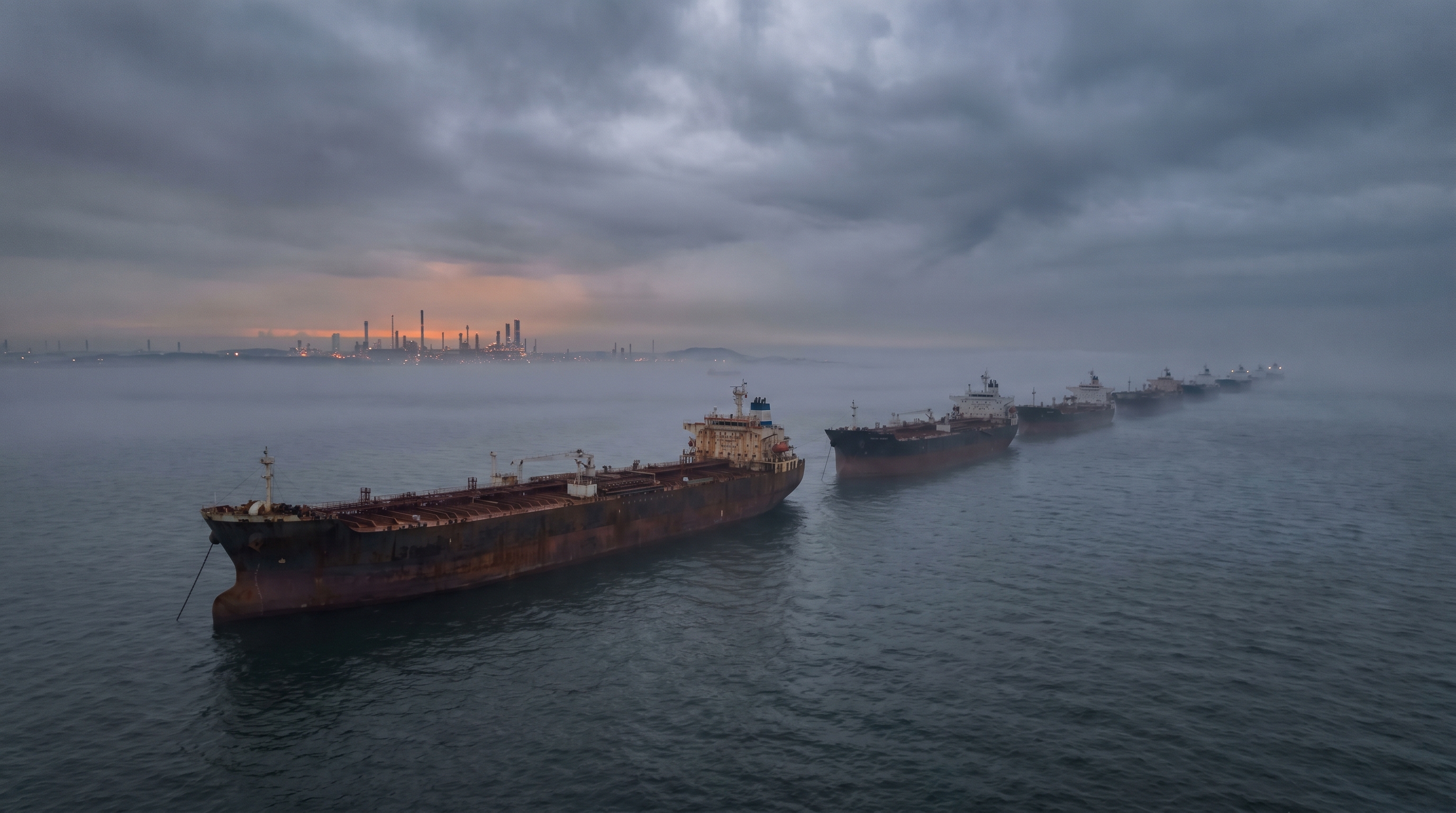
The closure of the Strait of Hormuz has triggered an unprecedented energy crisis across Asia, sending oil prices to $167 and threatening global supply chains for plastics, medicine, and food.
The closure of the Strait of Hormuz is no longer a theoretical war game scenario; it is a functional reality that has paralyzed the Asian energy market and sent shockwaves through the global economy. Following the escalation of conflict involving Iran, the United States, and Israel, the world’s most critical maritime chokepoint has been effectively blockaded. For Asia, a region that relies on the Middle East for the vast majority of its crude oil, gas, and fertilizer, the result is an immediate and catastrophic supply failure. This is not just a story about rising gas prices at the pump; it is a systemic breakdown of the industrial and logistical foundations that sustain modern life.
What We Know
The intelligence gathered over the last month paints a grim picture of regional destabilization. Brent crude has surged past $150 per barrel in Asian markets, while Oman crude—the primary benchmark for Middle Eastern exports to the East—has reached a staggering $167 per barrel. In a stark contrast that highlights the fracturing of global markets, U.S. West Texas Intermediate (WTI) remains significantly lower at approximately $97, bolstered by aggressive releases from the U.S. Strategic Petroleum Reserve (SPR). This price gap underscores the extreme vulnerability of Asian economies that lack the domestic reserves or alternative supply routes available to the West.
Iran’s effective closure of the Strait of Hormuz has halted approximately 25% of the world’s seaborne oil trade. The impact was instantaneous. Japan is currently navigating the most severe oil supply crisis in its history. Tankers bound for Japanese ports are stranded, and the government has been forced to release 8.5 million kiloliters of oil from national reserves to prevent a total collapse of the logistics and healthcare sectors. In Japan, fuel now accounts for 40% of operating costs for logistics firms, and the medical sector is reporting shortages of petroleum-based essentials like syringes and IV lines.
Across the continent, governments have shifted into emergency footing. South Korea has established an emergency economic task force as manufacturers report raw material price hikes of 50%. The Philippines has declared a national emergency, and Pakistan has implemented fuel quotas and shortened work weeks to conserve dwindling supplies. In Bangladesh, fertilizer plants have been forced to shut down, threatening future crop yields and regional food security. Furthermore, a wave of protectionism is rising; China, Indonesia, and Vietnam have begun restricting exports of key commodities to prioritize their own domestic survival.
Why It Matters for Preparedness
For the preparedness-minded individual, this crisis serves as a brutal masterclass in 'single-point-of-failure' risk. Most consumers view oil through the lens of transportation, but the current situation in Asia reveals the deep-seated dependency of almost every industrial sector on petroleum derivatives.
The shortage of naphtha, a crude oil derivative used to produce plastics and petrochemicals, is currently upending the production of everything from food packaging to consumer electronics. South Korean factories making plastic films have cut production to 20-30% of their usual output. When packaging materials disappear, the entire distribution chain for food and consumer goods halts, regardless of whether the product itself is available. This is why Japanese snack makers and South Korean food giants like Samyang Foods are scrambling; without plastic film and fuel for industrial boilers, the production of staples like noodles and crisps becomes impossible.
Furthermore, the crisis highlights the fragility of the 'just-in-time' delivery model. When fuel costs represent nearly half of a logistics company's operating budget, the cost of shipping rises exponentially, and the frequency of deliveries drops. This leads to 'stockouts'—the complete absence of products on shelves. For those in the West, the current disparity between WTI and Asian benchmarks offers a temporary buffer, but the 'chessboard' is moving. The U.S. is reportedly moving to secure influence over other chokepoints, including the Panama Canal and the Strait of Malacca, suggesting that the weaponization of shipping channels is the new global norm.
What You Can Do
Preparedness is about mitigating dependency before the system fails. The crisis in Asia provides a blueprint for what to expect if these disruptions go global or if similar chokepoints, such as the Taiwan Strait, are compromised.
-
Audit Your Petroleum Dependency: Recognize that your needs extend beyond gasoline. Evaluate your reliance on single-use plastics and petroleum-based medical supplies. If you rely on specific medical disposables, increase your on-hand stock now.
-
Secure Alternative Energy Sources: If you are in a region vulnerable to energy price spikes, accelerate the transition to off-grid or redundant energy systems. Solar with battery backup or multi-fuel generators (propane/gasoline/natural gas) provide a buffer against the 'shorter showers and no street lights' mandates currently seen in Australia and Asia.
-
Stockpile Packaging and Preservation Tools: As seen in South Korea, the lack of packaging can halt food availability. Ensure you have long-term food storage that does not rely on fragile, just-in-time supply chains. Invest in reusable storage solutions (glass, silicone, Mylar with oxygen absorbers) that allow you to bypass the need for commercial plastic packaging.
-
Shorten Your Supply Chain: The more miles a product travels, the more vulnerable it is to fuel surcharges and logistical failures. Identify local sources for food, repair parts, and essential goods. Building relationships with local producers now is a hedge against the protectionist export bans being implemented by nations like Vietnam and China.
-
Financial Hedging: If you have exposure to Asian manufacturing or international shipping, diversify your interests. The current hyperinflation in regional energy prices will inevitably lead to higher costs for finished goods imported from the East. Buy what you need for the next 12-24 months now, before these 'upstream' price hikes reach 'downstream' retail shelves.
Looking Ahead
The situation is fluid and likely to worsen before it stabilizes. Watch for the 'weaponization' of other maritime channels. Intelligence suggests the U.S. is actively trying to 'box out' competitors from the Panama Canal and the Strait of Gibraltar. If these waterways become part of the conflict, the current Asian energy crisis will evolve into a global trade paralysis.
Keep a close eye on the 'protectionism' trend. If more nations follow the lead of Indonesia and China in banning exports of raw materials, the global manufacturing sector will face a supply shock that no amount of SPR releases can fix. The era of cheap, abundant energy and frictionless global trade is currently on life support. Your preparedness strategy must account for a world where the Strait of Hormuz remains a closed door.